Prešporok · the coronation city
Best Restaurants
From Gault&Millau-awarded fine dining to authentic Slovak taverns
Photo by Bakd&Raw by Karolin Baitinger on Unsplash
Bratislava is one of Central Europe's quietly great places to eat — and, just as importantly, one of its best-value ones. An hour downriver from Vienna, Slovakia's capital delivers much of the same hearty, wine-friendly cooking for noticeably less money, which is why a long lunch and a glass of local white can feel almost indulgently affordable. The currency is the euro (€), and the gap between the price of a meal here and the same meal in the bigger Western capitals is wide enough to plan a trip around.
The backbone of how locals eat is the denné menu, the weekday set lunch. Most kitchens run one — typically a soup plus a main for around €6–7, served roughly between 11:00 and 14:00 — and it is often the same cooking the restaurant is proud of at dinner, at a fraction of the price. Slovaks treat lunch as the main meal of the day, so the smartest move for visitors is to follow suit: eat big at midday on the set menu, then keep the evening light or splurge on one memorable dinner. Treat any figure here as a guide and verify before you go, since prices and timings shift.
At dinner the city splits into two pleasures. On one side are the traditional taverns and kolibas — rustic, generous, and built around comfort food like bryndzové halušky (potato dumplings with sheep's cheese and bacon), garlic soup, and roast meats. On the other is a small but genuinely accomplished fine-dining scene, where chef-led tasting menus rework Slovak ingredients with modern technique. Tying both together is the local wine: Bratislava sits at the edge of the Small Carpathian vineyards, and the crisp regional whites are a real part of the table rather than an afterthought.
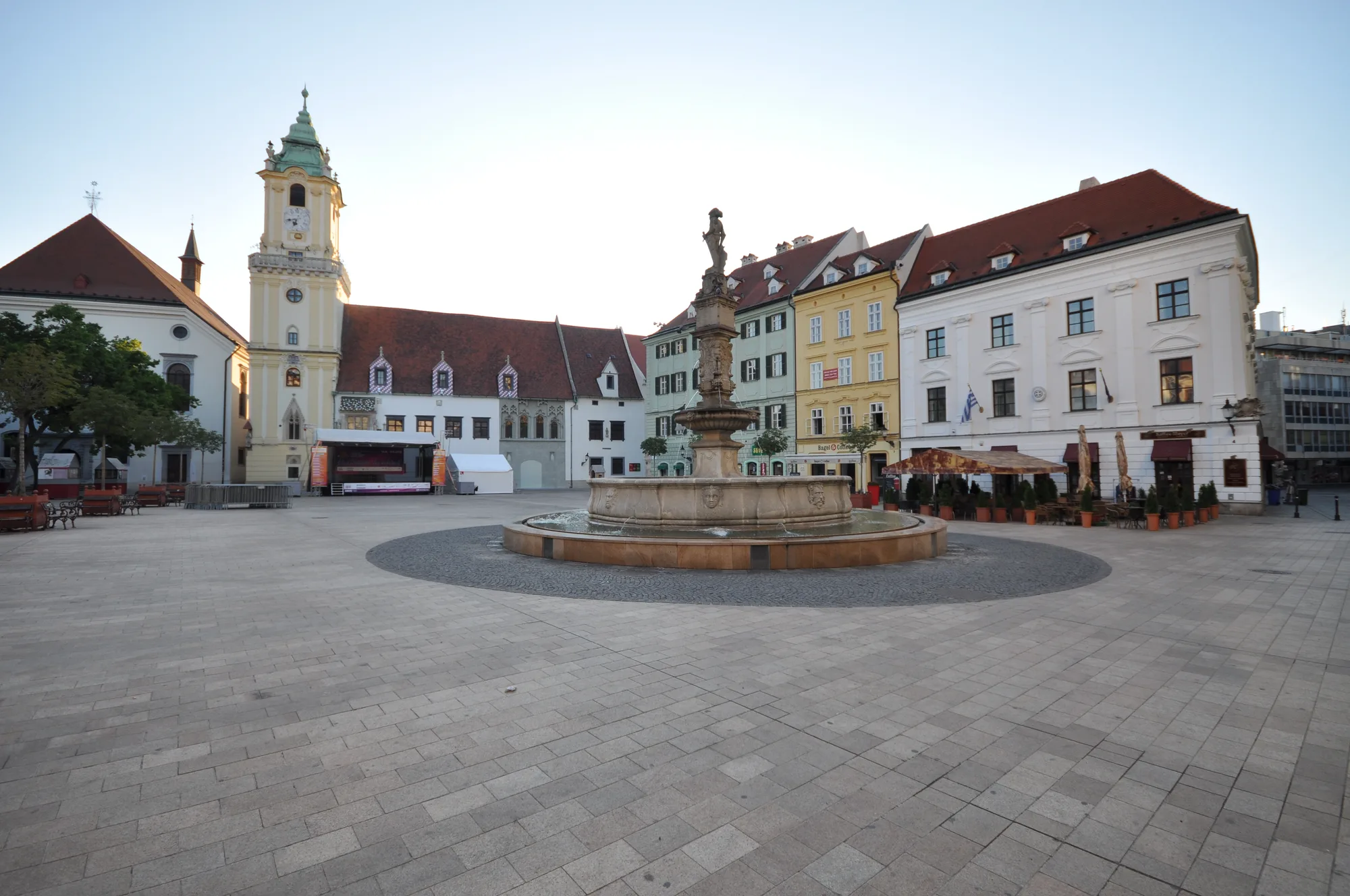
01 · Fine Dining
Fine Dining
Experience world-class gastronomy in Bratislava's finest establishments

ECK Devin
Devin
Widely regarded as Slovakia's most celebrated kitchen, this is destination fine dining built around a long, chef-led tasting menu that reinterprets traditional Slovak ingredients with modern technique. The experience is unhurried and theatrical: course after course arrives with a clear point of view, the service is attentive without being stiff, and local produce sits at the centre of the plate rather than being dressed up to look foreign. Come for a special-occasion dinner, set aside a full evening, and let the kitchen lead — it is the sort of meal you plan a trip around rather than stumble into.
Tip: Book well in advance - this is Slovakia's most celebrated restaurant.

Colette
Old Town
An anchor of Bratislava's fine-dining scene, Colette serves modern French cooking with a strong emphasis on seasonality, precision, and restraint. The format is a chef's menu rather than a long à la carte list, which means you put yourself in the kitchen's hands and let the evening unfold in considered courses. The wine programme is a genuine strength: ask for the pairing and the sommelier will build a flight that follows the food rather than fighting it. It is polished, intimate, and a fine choice for a celebratory dinner in the Old Town.
Tip: Ask for the wine pairing - sommelier Corto creates perfect matches.

Houdini Restaurant
Near Danube
A refined option for a dressed-up night out, Houdini puts a modern twist on classic Slovak dishes in an elegant, contemporary room a short stroll from the Danube. The cooking keeps one foot in tradition — familiar flavours and local ingredients — while plating and technique pull it firmly into the present. Expect a calmer, more grown-up atmosphere than the busy taverns of the centre, which makes it well suited to a longer dinner with a glass of Slovak wine. It is a good middle ground if you want something special without the full tasting-menu commitment of the city's top tables.
Tip: Try the reimagined Slovak classics for a unique culinary experience.

UFO Restaurant
Most SNP
Perched inside the flying-saucer pod atop the SNP Bridge, UFO trades on one of the most dramatic settings in the city: a full sweep of the Danube, the Old Town, and the castle laid out below you. The draw here is as much the view and the occasion as the plate, so it works best for a celebratory dinner, a sunset drink, or an evening when the lit-up city is the main event. The menu leans contemporary and the list of local wines is worth exploring. Time your booking for golden hour into blue hour and request a window table.
Tip: Request a window table for the best views of the illuminated city.
02 · Traditional
Traditional Slovak Cuisine
Taste authentic Slovak flavors in cozy, traditional settings
Koliba Kamzik
Koliba
A koliba is a traditional Slovak farmhouse-style eatery, all timber and warmth, and this one serves the classics without compromise: garlic soup, bryndzové halušky (the national dish of potato dumplings with sheep's cheese and bacon), and other hearty mountain cooking. The setting is rustic and cosy rather than refined, which is exactly the point — this is the comfort-food side of Slovak dining done properly. It is the kind of place to come hungry, order the halušky, and settle in. If you want to understand what locals mean by traditional food, start here.
Tip: The bryndzove halusky here is made with real sheep cheese from local farms.
Meanto
Stare Mesto
A welcoming Old Town spot that serves traditional Slovak cooking at honest prices, Meanto is an easy choice when you want the real thing without venturing out of the centre. The kitchen does the comfort classics well, and a tasting plate of different dumplings is a smart way to sample several flavours in one sitting rather than committing to a single dish. The atmosphere is relaxed and unfussy, the kind of room that works equally well for a leisurely lunch or a casual dinner. Pair a hearty main with a glass of local white and you have a proper Slovak meal.
Tip: Don't miss the sour cabbage soup - it's exceptionally good here.
Bratislava Flagship Restaurant
Old Town
Set inside a grand, beautifully restored former theatre, this is one of the city's best-known addresses for traditional food at scale. The draw is the combination of atmosphere and value: house-brewed beers, generous portions of Slovak classics, and a sprawling, characterful interior that handles a crowd well. It is a reliable, central option when you want hearty local cooking in a memorable room rather than a quiet, intimate dinner. Big groups, first-time visitors, and anyone after a fuss-free introduction to Slovak food and beer will feel at home here.
Tip: The daily lunch menu offers soup and main course for great value.
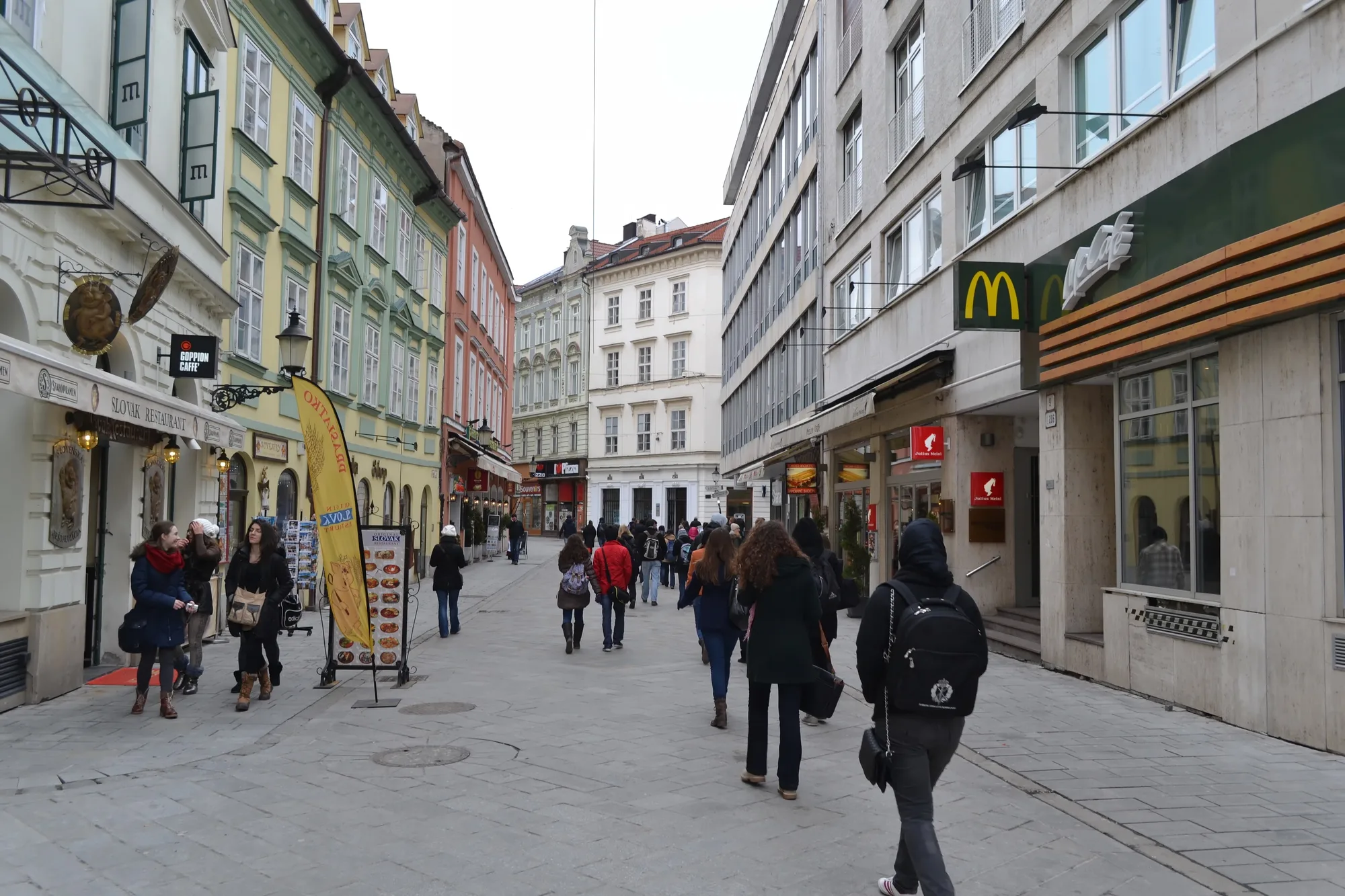
03 · Eat Smart
How to Eat Well in Bratislava
A handful of local habits that turn a decent trip into a delicious one.

Play the lunch-menu value
The single best trick for eating well in Bratislava is to make lunch your main meal. On weekdays most kitchens run a denné menu — a daily set lunch of soup plus a main, often with a couple of choices — that typically costs around €6–7 and is usually served roughly between 11:00 and 14:00. It is fresh, fast, and frequently the same cooking the restaurant is proud of at dinner, at a fraction of the price. Eat your big meal in the middle of the day, then keep the evening light or save your budget for one standout dinner. The exact price and timing vary a little from one kitchen to the next.

Traditional vs modern Slovak
It helps to know the two registers of Slovak cooking before you book. Traditional places — the kolibas and old-school taverns — serve hearty comfort food: bryndzové halušky, garlic soup, sour-cabbage soup (kapustnica), roast meats, and dumplings, all in generous portions. The modern end takes those same ingredients and flavours and reworks them with lighter technique and careful plating, usually in calmer, more design-led rooms. Neither is "better" — they are different evenings. Pick a traditional tavern when you want atmosphere and volume, and a modern kitchen when you want a quieter, more considered dinner.

Slovak wine basics
Bratislava sits at the edge of the Small Carpathian wine region, so local wine is a genuine part of the table here rather than an afterthought. The whites are the calling card — crisp, aromatic, and easy to drink — and they pair naturally with the region's rich, cheesy, meaty cooking. You do not need to know the grape names to enjoy it: ask your server for a local recommendation to match your dish and you are very likely to be pleasantly surprised. A glass of regional white alongside halušky is one of the simplest, most satisfying things you can order in the city.

Booking and reservations
For everyday eating you can mostly walk in, but the rules change at the top end and at weekends. Fine-dining tables and the best-known restaurants should be booked ahead — often days in advance for the chef's-menu kitchens — and popular spots fill up fast on Friday and Saturday nights. If you have your heart set on a particular dinner, reserve as soon as your dates are fixed. For a casual lunch or a relaxed weekday meal, turning up is usually fine; for anything special or anything at the weekend, plan it.

Markets and casual bites
Not every good meal needs a tablecloth. Bratislava has a long-standing market hall and a rotating calendar of food markets where you can graze on local produce, baked goods, and street-food versions of Slovak staples — a relaxed, low-cost way to eat between sights. These are also the best place to pick up edible souvenirs and to see what locals actually cook with. Bring some cash, since smaller stalls do not always take cards, and treat it as a movable feast rather than a sit-down occasion.
04 · Dining Tips
Dining Tips
Make the most of your culinary adventures in Bratislava
Lunch is King
Slovakians consider lunch the main meal. Most restaurants offer "denne menu" (daily menu) with soup and main dish for 6-7 euros - often the best food at great value.
Tipping Culture
Tipping 10% is customary for good service in Slovakia. Round up or add 10% to the bill at sit-down restaurants.
Reservations
Fine dining restaurants require advance booking. Popular spots fill up on weekends, so reserve ahead for Friday and Saturday dinners.
Local Wines
Slovakia produces excellent wines, especially whites. Ask for local recommendations - you'll be pleasantly surprised.
05 · At the Table
What Slovak Dining Is Actually Like
Eating in Bratislava is comfortable rather than ceremonial. The traditional rooms — the kolibas and old-town taverns — are warm, unpretentious places where the portions are generous, the cheese is tangy, and nobody is in a hurry. You come for the food and the company more than the design, and the pleasure is in the sheer honesty of it: a bowl of garlic soup, a plate of halušky, a glass of local white, and an afternoon that drifts. It is the kind of meal that fills you up and slows you down in equal measure.
The rhythm of the day is worth tuning into. Lunch is the main event, built around that affordable weekday set menu, while dinner is often lighter unless you are making an occasion of it. Follow that pattern and you eat both better and cheaper — a substantial midday meal on the denné menu, then a relaxed evening of small plates, a tavern dinner, or simply a glass of wine and a viewpoint. Service is friendly and low-key; tipping around 10% for good service is the norm, and it helps to carry a little cash for it.
What ties it all together is that Bratislava is still an under-the-radar food city, and that works in your favour. There are no endless queues for the best tables, the fine-dining scene is small enough to actually get into with a bit of planning, and the markets and casual spots reward curiosity. Whether you spend a few euros on a set lunch or settle in for a long tasting menu, you tend to leave feeling you got more than you paid for — which, more than any single dish, is the real character of dining here.
06 · Questions
Frequently Asked Questions
What food is Bratislava known for?
Slovak cooking is hearty and comforting, and Bratislava is the best place to try it. The national dish is bryndzové halušky — soft potato dumplings tossed with bryndza, a tangy sheep's cheese, and topped with bits of bacon. Beyond that, look for garlic soup served in a bread bowl, sour-cabbage soup (kapustnica), roast meats with dumplings, and plenty of local sheep's-cheese dishes. The city is also a value-for-money food and wine destination, with crisp regional whites from the nearby Small Carpathian vineyards.
Is eating out in Bratislava expensive?
Compared with Vienna an hour upriver, Bratislava is noticeably cheaper, which is a large part of its appeal. The best value of all is the weekday set lunch (denné menu), which typically runs around €6–7 for soup and a main. Casual taverns and traditional restaurants remain affordable at dinner too, while the small fine-dining scene costs more — though still often less than the equivalent in bigger Western capitals. The currency is the euro (€), and any figure here is best read as a guide rather than a fixed price.
What is the denné menu (daily set lunch)?
The denné menu is Slovakia's weekday set lunch and the smartest way to eat well on a budget. It is a daily-changing deal, usually soup plus a main course (sometimes with a choice of mains), served roughly between 11:00 and 14:00 on weekdays. The price is typically around €6–7 and it is frequently the same quality cooking the kitchen serves at dinner. Locals treat lunch as the main meal, so following their lead — a big midday denné menu, a lighter evening — is both authentic and economical. Availability and prices vary by restaurant, so check on the day.
Do you need reservations to eat in Bratislava?
For casual lunches and weekday dinners you can usually just walk in. Reservations matter most for the city's fine-dining restaurants and best-known spots, which should be booked ahead — often well in advance for the chef's-menu kitchens. Weekends are the other pinch point: Friday and Saturday evenings fill up at popular places, so reserve if there is somewhere specific you want to eat. As a rule of thumb, book anything special or anything at the weekend, and stay flexible for everyday meals.
Where can I try bryndzové halušky in Bratislava?
Bryndzové halušky — potato dumplings with sheep's cheese and bacon — is the dish to seek out, and you will find it on almost every traditional Slovak menu in the city. Look for a koliba (a rustic, farmhouse-style eatery) or an old-school tavern in or near the Old Town, where it is a staple rather than a novelty. The best versions use real, tangy bryndza from local farms. Order it as your main, pair it with a glass of regional white wine, and you have one of the most authentic plates in Slovakia.
How much should you tip in Bratislava restaurants?
Tipping around 10% for good service is customary at sit-down restaurants in Bratislava. You can either round the bill up or add roughly ten percent for attentive service; for a quick coffee or a very casual bite, rounding up is plenty. It is worth carrying some cash, as tipping in cash is straightforward and smaller places do not always make card tipping easy. As always, tipping is a thank-you for good service rather than an obligation, so adjust to the experience you actually had.
✦ Verify before you go
Sources & official links
We verify prices, hours, and dates against official pages. They change without notice — confirm time-sensitive details at the source before you go.
- Visit Bratislava (official tourist board) — What is on, and practical local information.
07 · Food Plan
Want a Smarter Food Plan?
Use lunch specials for value, then save dinner for the most atmospheric traditional spots.