
Prešporok · the coronation city
Bratislava in 3 Days (Slow Travel)
A relaxed itinerary with time for cafés, viewpoints, and the perfect day trip
Photo by Milan Chudoba on Unsplash
Three days is the ideal “Bratislava pace.” It’s long enough to stop rushing, repeat a favorite café, and see the city in different moods: daylight rooftops, golden Danube sunsets, and quiet morning streets that feel like a private set.
Slow travel is less about doing less and more about getting more from the same handful of places. In a city this compact, that means returning to the cafés, squares, and viewpoints you liked rather than treating each one as a box to tick once and leave. The castle hill at noon and the castle hill at sunset are different experiences; the Old Town under morning fog and the same lanes lit up after dinner barely feel like the same streets. Three days gives you the room to notice that change in light and mood, which is the part of a trip people actually remember.
It also leaves space for the two things rushed itineraries always sacrifice first: one proper day trip and a cushion of unscheduled time. Bratislava suits this especially well because its core is so small — the headline sights are minutes apart on foot — so two relaxed days easily cover the city itself and free the third for Devín, a wine cellar, or a riverside gallery. Think of it as a weekend plus one extra day: enough to feel unhurried, short enough to stay focused, and perfectly matched to a capital you can cross without ever opening a transport map.
01 · Slow rules
Slow-Travel Rules (That Actually Work)
Small decisions that keep the trip calm and memorable.
Plan one climb per day
Castle hill, the tower viewpoints, the Slavín memorial, and any nature hike all add up quickly in a city built on a slope. Picking just one climb per day keeps the legs fresh and the mood relaxed, and it stops the itinerary from quietly turning into a forced march. The castle terraces are free, so the “climb of the day” often costs nothing but the walk.
Schedule “nothing time” on purpose
Block out a café hour with no agenda and treat it as a real item on the plan, not a gap to be filled. Bratislava is a city where atmosphere is part of the itinerary — the coffeehouse scene is genuinely good, and a long sit in one is as much a part of the trip as any monument. Returning to the same favourite café twice is a feature of slow travel, not a waste of a day.
Choose one signature experience
A wine tasting at the National Wine Salon, a seasonal Devín boat cruise, the Danubiana art museum, or an evening performance — pick a single standout and let it anchor the trip. One memorable moment does more for how a city stays with you than three half-rushed ones, and choosing in advance means you actually book it rather than missing it on the day.
Use the Danube as your reset button
A riverside walk between activities keeps the day calm and naturally photogenic, and it doubles as the connective tissue of the whole plan: the promenade links the Old Town, the SNP Bridge, and the parks across the water without a single transport ticket. Whenever a day starts to feel busy, drop down to the river and let the walk slow everything back down.
02 · Day one
Day 1
Old Town charm, castle views, and a perfect river evening.
Old Town at café pace
MorningStart with specialty coffee and let the city unfold slowly rather than ticking off a list. The Old Town is one of the most compact in Europe, so the main squares, the playful bronze statues like Čumil peering out of his manhole, the hidden courtyards, and the calm cathedral-side lanes are all five to fifteen minutes apart on foot. The slow-travel version of this morning is to loop the centre once, mark the corners you want to come back to, and then sit down again rather than marching straight to the next thing. No transport is needed for any of it.
Lunch: daily menu or a Slovak classic
MiddayChoose a weekday set lunch (denné menu) if you are visiting Monday to Friday — it is typically around €6–7 for soup and a main and remains some of the best value in any Central European capital, though the figure varies a little by venue. If comfort food is the goal instead, order garlic soup served in a bread bowl and a traditional main such as bryndzové halušky, the sheep-cheese potato dumplings that count as the national dish. Keep lunch unhurried; the afternoon climb is gentler on a full, slow meal.
Castle hill viewpoints
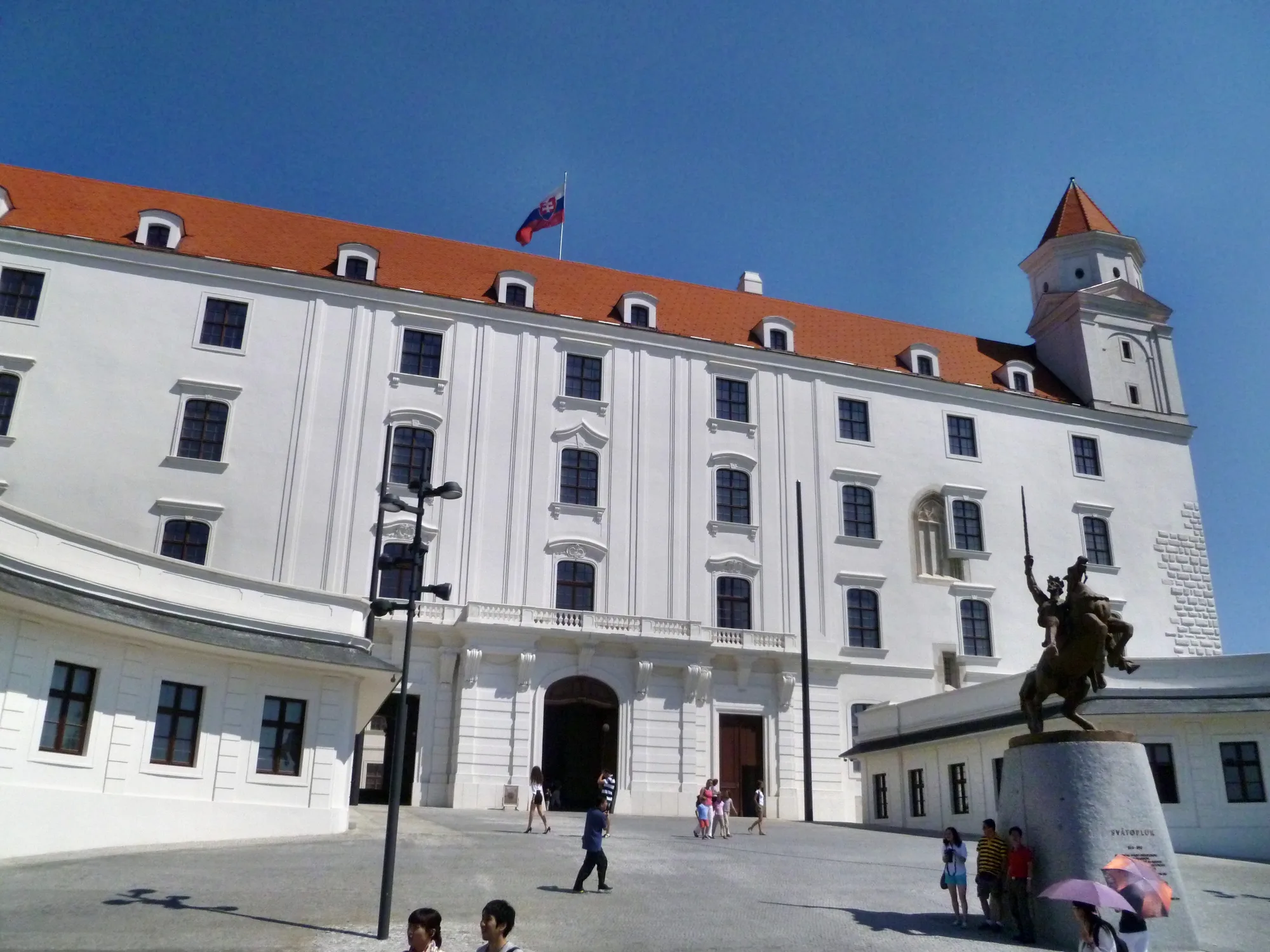
AfternoonWalk up to Bratislava Castle for the city’s defining panorama and stay long enough to actually feel the city’s shape — the bridges, the rooftops, and the wide curve of the Danube with Austria on the far bank. The castle grounds and terraces are typically free and open daily from around 08:00 to 22:00, so you can enjoy the view without paying to go inside; the SNM Museum of History within the castle is a separate paid ticket (around €14 adult) if you want the interior. Treat the slope as a gentle uphill rather than a hike, and verify hours before you go.
Danube promenade + dinner
EveningSave the riverside walk for golden hour sliding into blue hour, when the castle and the bridges light up and the promenade empties of the daytime crowd. Stroll the embankment between the Old Town and the SNP Bridge, then choose a dinner spot back in the centre so the walk home feels effortless and you finish the day among lit-up lanes rather than on a bus. The Danube is your natural reset between the day’s activities, and it is at its best in the last hour of light.
03 · Day two
Day 2
A second Old Town day, but calmer—plus one signature add-on.
One signature stop: Blue Church or a viewpoint tower
MorningMake one small, deliberate detour for a photo landmark rather than a string of them. The Art Nouveau Blue Church (the Church of St Elizabeth) is the obvious choice — its powder-blue exterior is free to admire and one of the most photographed sights in Slovakia, though the interior keeps its own service-led hours, so check before you plan around it. If you prefer a view to a façade, climb Michael’s Tower instead (around €6, reduced €4, usually closed Tuesdays) for a tight panorama over the Old Town. Then return to the centre for a calm second coffee or a long brunch.
Slow lunch + a quieter walking loop
MiddayUse a self-guided route to find the prettiest lanes rather than the busiest streets — the back courtyards, the quieter end of the coronation route, and the riverward side streets the day-trip crowds skip. This is the day for lingering, so let the loop be short and the stops long. A second daily set lunch keeps costs low if it is a weekday, and leaves the afternoon free for the one bigger thing you have chosen.
Choose an “extra”: wine tasting or modern art
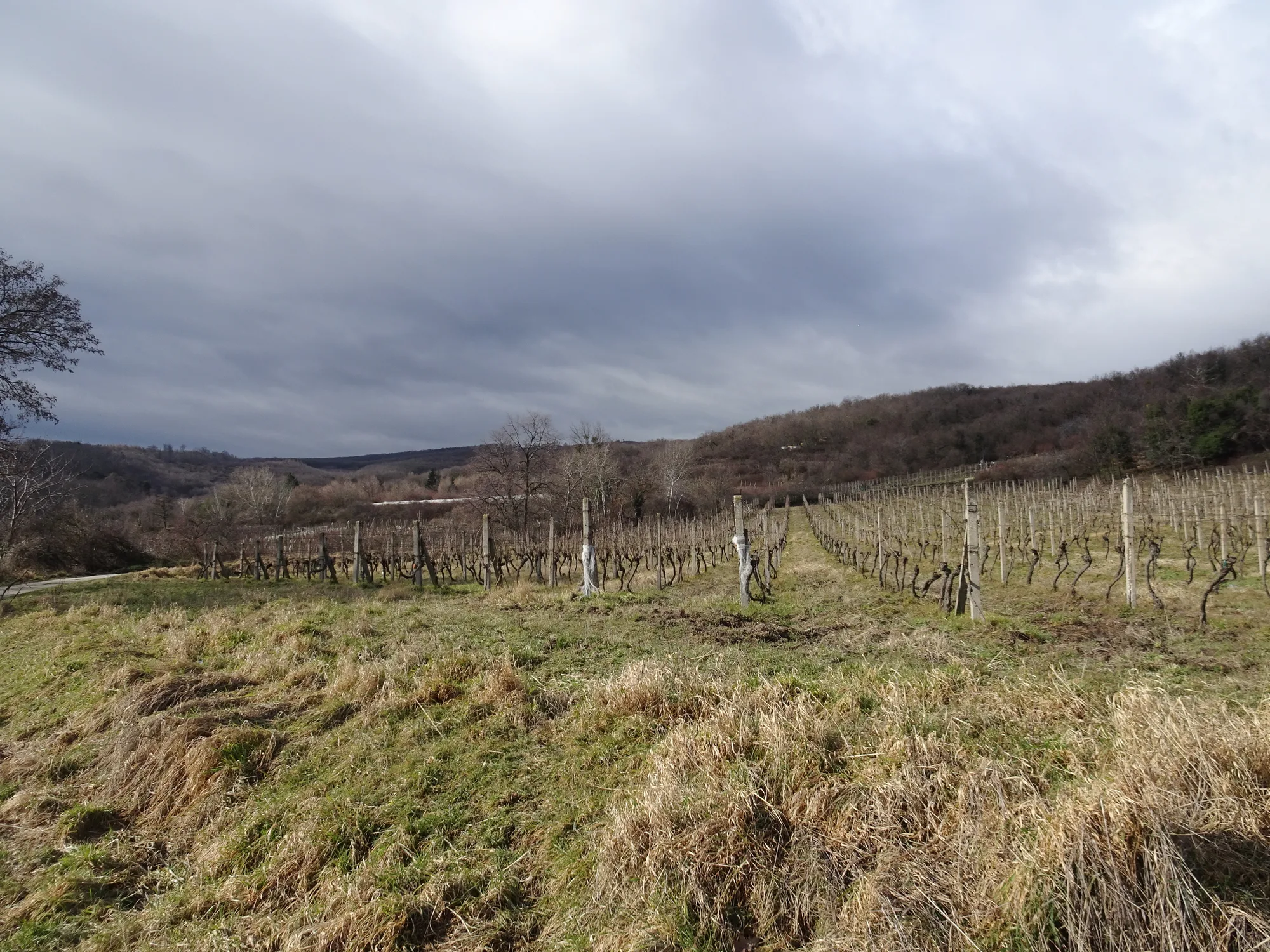
AfternoonPick a single relaxing add-on rather than trying to fit two. A Slovak wine tasting at the underground National Wine Salon is the indoor classic — a self-guided “80 wines in 100 minutes” runs around €40 per person, with shorter guided tastings for less, Tuesday to Friday 10:00–18:00 and weekends from 11:00 (a reservation is required). For modern art, the riverside Danubiana museum (around €12 adult, Tuesday to Sunday 10:00–18:00, closed Monday, bus 90 from Nové SND, roughly 35 minutes) is a calm half-day escape and an ideal plan if the weather turns.
Sunset strategy: castle hill or the UFO deck
EveningChoose one viewpoint and commit to it — splitting an evening between two rushes both. The free castle terraces give the postcard angle for the cost of the walk up; the UFO observation deck atop the SNP Bridge trades that for a higher, paid perspective, open daily 10:00–23:00 with adult admission in the low teens of euros (a little less for the weekday-morning slot). Either way, arrive before the light goes and stay through blue hour. A single great sunset is what makes the whole trip feel cinematic in hindsight.
04 · Day three
Day 3
The classic day trip, then a soft farewell.
Devin Castle (classic half-day trip)
MorningDevín Castle is the day trip that defines a longer Bratislava stay: cliff-top ruins where the Danube meets the Morava on the Austrian border. Go by city bus 29 from Most SNP for flexibility, or by the seasonal Danube boat when cruises are running — the boat is the more scenic arrival but only operates in the warmer months, so it is worth checking sailings as you plan. The castle is closed on Mondays, with admission around €8/€4 in summer and €6/€3 in winter. The point of the morning is scenery and breathing room, so go early and let the views do the work.
Lunch: keep it simple
MiddayEat something warm and local near the castle or on the way back rather than chasing a particular restaurant — a soup and a main is plenty after a morning on the cliffs. Then return to the centre with time to spare for one last unhurried walk and a calm coffee stop. If you came back by bus 29, you are dropped near Most SNP, which puts you a short stroll from the river and the Old Town for the rest of the afternoon.
Hidden gems beyond Old Town (optional)
AfternoonIf energy is high, add one “local-feeling” walk rather than a second sight. Options include a forest-park escape into the Small Carpathians, the climb to the Slavín memorial above the embassy district for a quieter skyline panorama, a longer stretch of the riverside promenade, or a slow coffee-crawl through a couple of the city’s better cafés. The slow-travel rule still applies: choose one, walk it properly, and stop when it stops being fun.
A soft farewell
EveningFinish the trip gently — coffee and a slice of cake, or a light dinner somewhere you already liked the look of, then a final Old Town loop that is short, beautiful, and completely unhurried. Three days is just enough to have favourites by the end, so the farewell loop is really about revisiting one or two of them in the evening light rather than discovering anything new. That is the whole idea of doing Bratislava slowly.
05 · Add-ons
Add-On Ideas for Day Two or Three
Pick one per free afternoon. Each is calm, walkable or one short bus ride away, and easy to fit without rushing.
A Slovak wine tasting
Bratislava sits among vineyards, and the underground National Wine Salon is the city’s flagship cellar. The self-guided “80 wines in 100 minutes” runs around €40 per person, while shorter guided tastings cost less; opening is Tuesday to Friday 10:00–18:00 and weekends from 11:00. It is the ideal indoor add-on for a cooler afternoon or a rainy day — a reservation is required, so book your slot ahead.
Danubiana modern art
For contemporary art with water on three sides, the Danubiana museum sits on a spit of land downriver. Admission is around €12 for adults, open Tuesday to Sunday 10:00–18:00 and closed Monday; take bus 90 from Nové SND for roughly 35 minutes. It pairs a strong collection with sculpture gardens and Danube views, and makes a calm half-day escape from the centre.
A forest-park or Slavín walk
When you want green over galleries, climb to the Slavín memorial above the embassy district for a quieter skyline panorama, or head into the Small Carpathians for an easy forest walk. Sad Janka Kráľa across the river — one of the oldest public parks in mainland Europe — is the gentlest option of all, and an easy stroll from the SNP Bridge.
A longer Devín visit
If the day-three half-day leaves you wanting more, give Devín Castle a full slow morning instead of a quick look. The cliff-top ruins, the confluence of the Danube and Morava, and the riverside paths below reward a lingering visit. Reach it on city bus 29 from Most SNP year-round, or by seasonal Danube boat; the castle is usually closed Mondays, so check first.
A coffee-crawl morning
Bratislava’s specialty-coffee scene is good enough to build a morning around. Pick two or three roasters and cafés in and around the Old Town, walk slowly between them, and let the route be the plan. It is the purest slow-travel add-on — no tickets, no hours to chase, just the compact centre seen one flat white at a time.
06 · The feel
What Slow Travel in Bratislava Actually Feels Like
Slow travel here feels less like sightseeing and more like temporarily living somewhere small and walkable. Because the Old Town is so compact, you stop measuring the day in attractions and start measuring it in light and habits: the morning coffee at the place you found on day one, the gentle climb to the castle terraces, the loop down to the river when the afternoon gets too warm. Nothing is far, so nothing has to be rushed, and the absence of a transport map to consult quietly removes most of the friction that makes city breaks tiring.
The pleasure is in the repetition. A city you see once stays a list of names; a city you circle back through twice becomes a place with corners you recognise. By the second afternoon you have a favourite bench on the promenade, a café you default to, a viewpoint you already know how the light will hit. That sense of small ownership is exactly what three unhurried days buys you, and it is precisely what a one-day blitz cannot. The city is affordable enough — the free viewpoints, the cheap set lunches — that lingering never feels like an indulgence.
And there is room to be surprised, which is the whole point of leaving slack in the plan. The third day, freed by the first two, can become Devín on a cliff above two rivers, a wine cellar underground, a gallery on a spit of land, or simply another slow loop of streets you have come to like. Whatever you choose, the trip ends the way slow travel is supposed to: not with a checklist completed, but with a small place properly enjoyed and a quiet wish to come back.
07 · Questions
Frequently Asked Questions
Is three days too much for Bratislava?
Not for slow travel. Three days gives room for Old Town at a relaxed pace, viewpoints without rushing, and a half-day trip like Devin Castle.
What’s the best day trip during a 3-day stay?
Devin Castle is the classic choice: scenic, close, and easy without a car.
How should three days be paced?
Do Old Town + castle on day one, add a relaxed “extra” (wine, art, or hidden-gem walk) on day two, and do Devin Castle on day three.
Is Bratislava good for slow travel?
Yes. It’s compact, walkable, and built for café breaks, viewpoints, and unhurried evenings.
What’s the best place to stay for a slow 3-day visit?
Old Town is the simplest base. The Danube riverfront is a great alternative if you want calmer evenings with easy access to the center.
How much does a 3-day Bratislava trip cost?
Bratislava is affordable by Central European standards, and slow travel keeps it that way because so much of the plan is free. The Old Town, the castle terraces, the Blue Church exterior, the Slavín memorial, and the Danube promenade all cost nothing, and a weekday set lunch is typically around €6–7. Paid extras land in the modest range — Michael’s Tower around €6, the castle’s history museum around €14, the UFO deck in the low teens of euros, Devín around €8 in summer — with a wine tasting up to around €40 for the full self-guided cellar. Treat any figure as a guide and you will not be far off.
What’s the best add-on if it rains?
Move the day indoors without losing the slow pace. A wine tasting at the underground National Wine Salon (self-guided around €40, shorter guided sessions for less, Tuesday to Friday 10:00–18:00 and weekends from 11:00) is the obvious wet-weather plan, and the Danubiana art museum (around €12, closed Mondays, bus 90 from Nové SND) trades rain for a calm gallery half-day. A long coffeehouse hour and the SNM Museum of History inside the castle are gentler fallbacks.
Can you do day three as a Vienna trip instead of Devín?
Easily. Trains between Bratislava and Vienna run roughly every hour and take about an hour, so swapping the Devín day for a Vienna day works well if you would rather see a second city than a castle. It does change the mood — Vienna is grander and busier than slow, compact Bratislava — so it suits travellers who want contrast over calm. Either way, leave the evening for a final unhurried loop back in the Bratislava Old Town.
✦ Verify before you go
Sources & official links
We verify prices, hours, and dates against official pages. They change without notice — confirm time-sensitive details at the source before you go.
- Visit Bratislava (official tourist board) — Attractions, hours, and current events.
- IDS BK — Bratislava transport — Tickets and fares for buses, trams, trolleybuses.
- Danubiana Art Museum — Tickets, hours, and how to get there.