
Prešporok · the coronation city
Bratislava: Cash or Card?
The euro basics, a simple money setup, and when cash still matters
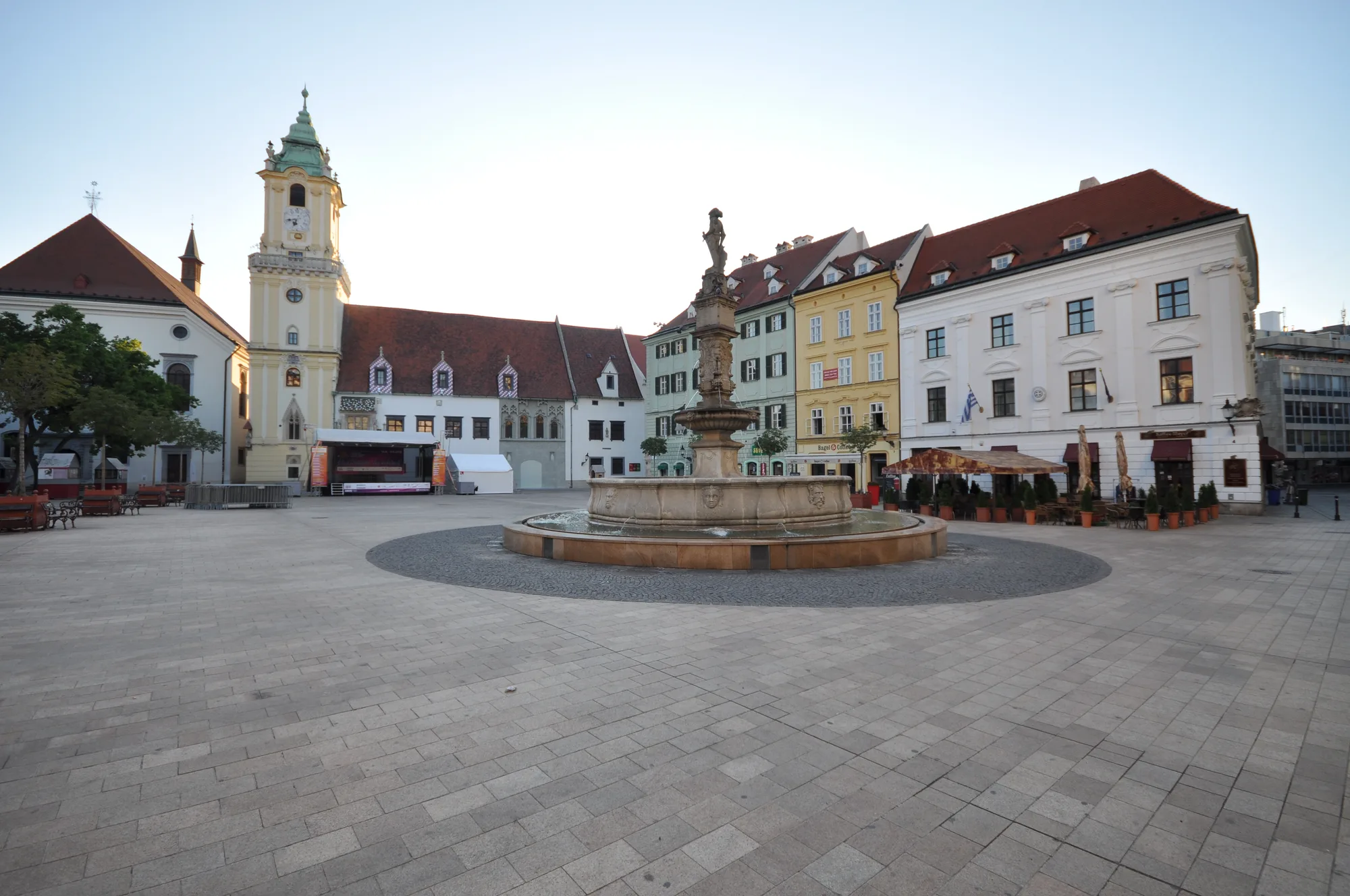
Photo by Eelco Böhtlingk on Unsplash
Bratislava is easy when it comes to money: the currency is the euro, card payments are common, and most trips work perfectly with a card-first approach. The only real trick is having a small cash buffer for markets, tips, and tiny purchases—so the day stays smooth.
Slovakia adopted the euro (€), so there is no separate local currency to change and no leftover notes to deal with — prices are straightforward to compare with the rest of the eurozone. In practice, hotels, restaurants, and modern cafés take cards without fuss, and a card-first traveller will rarely be stuck. Cash still earns its place for the small, human transactions: a market stall, a neighbourhood café, tips, rounding, and the occasional venue where the terminal is “temporarily” down. The single money tip worth remembering anywhere in Europe applies here too — if an ATM or card terminal offers to charge you in your home currency, decline it and pay in euros, because that “dynamic currency conversion” usually hides a poor exchange rate.
01 · TL;DR
Quick Answer
The simple “what to do” version.
Currency: euro (€)
Bratislava uses the euro. This keeps travel simple for many visitors and makes pricing easy to compare.
Card is widely accepted
Most hotels, restaurants, and modern cafés accept card payments. A card-first approach works well for typical trips.
Cash is still useful
Keep a small amount of cash for markets, small purchases, tips/rounding, and situations where card terminals aren’t available.
Best setup: card + small cash buffer
Use card for most spending and keep a small cash reserve so the trip stays smooth and flexible.
02 · Cash Use
Where Cash Helps
Markets and small kiosks
Local markets and small snack spots sometimes prefer cash. A small amount avoids the “can’t pay” moment.
Tips and rounding
Even when paying by card, small cash is convenient for rounding and tipping in cafés.
Tipping guide →Public toilets and small fees
Occasional small payments are easier with coins or a few small notes.
Backup for card issues
A small cash buffer keeps the day easy if a terminal is down or a card payment fails.
03 · ATMs
ATM + Exchange Tips
Use reputable ATMs
Prefer bank-affiliated ATMs when possible. Avoid making rushed decisions at the first machine you see in a tourist-heavy area.
Decline dynamic currency conversion
If an ATM or terminal offers to charge in your home currency, it often includes a worse exchange rate. Paying in euros is usually better.
Withdraw small amounts
Bratislava is card-friendly. Small withdrawals reduce leftover cash and keep the trip simpler.
Keep small denominations
Small notes are useful for tips, cafés, and markets. Break large bills when convenient.

04 · Budgeting
Budget-Friendly Basics
Small money habits that keep Bratislava affordable without feeling restrictive.
Use denné menu for value
Lunch specials are one of the best ways to eat well without spending big every day.
Denné menu guide →Spend on one signature dinner
Choose one atmospheric Old Town dinner, then keep other meals casual. The balance feels indulgent without being expensive.
Traditional dinner shortlist →Walk the city
Old Town is best on foot. Walking saves money and improves the experience.
Walkability guide →Use public transport for add-ons
Transport is most useful for airport transfers and day trips like Devin.
Transport tickets guide →05 · A no-stress money setup
How to handle money without overthinking it
The simplest approach that works for almost everyone: pay by card for the bulk of your spending — hotels, sit-down meals, museum tickets, transport top-ups — and keep a modest amount of euro cash on hand for everything small. Because Bratislava is so card-friendly, you do not need to load up on cash; a small reserve covers tips, a market snack, a café that prefers it, and the rare moment a terminal is offline. Withdrawing smaller amounts as you go means you are not left with a wad of notes to spend on the last day.
When you do use an ATM, favour ones attached to recognisable banks over the free-standing machines clustered in the busiest tourist spots, which more often push extra fees and a poor on-screen exchange rate. The moment that matters most is the prompt asking whether to charge in euros or in your home currency: choose euros every time, at the ATM and at the card terminal. Letting the machine “helpfully” convert for you is the one avoidable way to quietly lose money on an otherwise affordable trip.
Bratislava is genuinely good value by Central European standards, and a little planning stretches the budget further: the weekday set lunch (denné menu) is the best-value meal of the day, the Old Town is best explored on foot for free, and one atmospheric dinner goes further than several pricey ones. Spend deliberately on the things worth it and the money side of the trip looks after itself.
06 · Questions
Frequently Asked Questions
What currency is used in Bratislava?
Bratislava uses the euro (€).
Is card payment common in Bratislava?
Yes. Most hotels, restaurants, and many cafés accept cards. Cash is still useful for markets, small purchases, and tips.
How much cash should you carry?
A small amount is usually enough for tips, small purchases, and markets. Most spending can be done by card.
What is dynamic currency conversion?
It’s when an ATM or terminal offers to charge you in your home currency. It often comes with a worse exchange rate than paying in euros.
Is Bratislava expensive?
It can be very affordable with smart choices like lunch specials (denné menu), walkable sightseeing, and choosing one “special” dinner rather than eating expensively every night.
✦ Verify before you go
Sources & official links
We verify prices, hours, and dates against official pages. They change without notice — confirm time-sensitive details at the source before you go.
- Visit Bratislava — practical information — Official currency and payment guidance for visitors.